

Designing the Ultimate Ninja Course: Tips for Safety, Fun, and Progression
Posted by DGS Ninja on Jan 23rd 2026
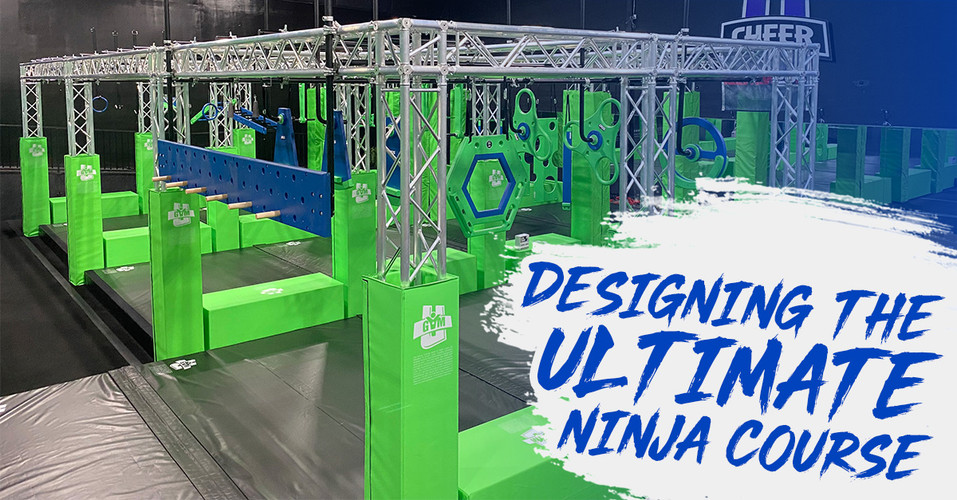
Building a Ninja Course is more than just hanging obstacles, it’s about creating a fun, challenging, and safe environment for athletes of all ages and skill levels. Whether you’re designing a course for those just getting started with ninja or advanced athletes, keeping safety, obstacle progression, and course flow in mind will ensure your participants get the most out of every session.
Start With Safety First
No matter the level, safety is always the top priority. Check all rigging points, ensure obstacles are securely installed, and maintain appropriate matting and fall zones. Consider height, spacing, and obstacle stability, especially for younger athletes or beginners who are still developing confidence and coordination. A safe course is a course everyone can enjoy without worry.
Designing for Beginners
For beginners, focus on building confidence while introducing fundamental Ninja skills:
- Non-moving balance obstacles: Keep balance challenges simple to help athletes develop stability and control.
- Sliders: Kids love sliders. They provide fun movement while remaining low risk.
- Easy swinging obstacles: Rings, trapeze bars, and hanging ladders teach grip and momentum in a manageable way.
- Close dismount platforms: Make sure the landing area is safe and easy to reach.
- Shorter obstacle lengths: Avoid fatigue and frustration by keeping obstacles appropriately sized.
- Height adjustments: A simple rule is to test heights by standing on your knees to simulate a beginner perspective.
Pro tip: It’s easier to take a beginner course and progress it to an elite level than to scale down an elite course for beginners. Consistency in obstacle style within each lane helps beginners develop confidence and flow.
Intermediate & Advanced Considerations
Once athletes are ready to progress, you can introduce more challenging obstacles and combinations:
- Taking a handheld obstacle with you: Moves like lobster claws in rings help build grip and coordination.
- Laches: Progress from strap-based laches to bar laches for dynamic swinging skills.
- Change-of-direction obstacles: Swinging unstable bridges, wingnuts, and switch grip obstacles challenge agility and spatial awareness.
- Moveable balance obstacles: Add variety, but be aware that some athletes may be nervous, so introduce gradually.
- Rings & trapeze variations: Rings come in all shapes and sizes, and can be combined with special deliveries, fidget spinners, and bullseye obstacles for advanced courses.
Tailor by Age and Skill Level
Keep age and skill in mind at every stage. Younger athletes may need wider, more forgiving obstacles, while older or more experienced athletes can handle tighter spacing and more dynamic challenges. Adjust the difficulty of obstacles, rigging complexity, and obstacle length accordingly. If you’re looking for recommendations on courses by difficulty level, we have a few ninja course layouts that could inspire you!
Thematic Courses for Extra Fun
Adding a theme to your Ninja Course can make training even more engaging:
- Adventure themes: Gaming, fantasy, spooky or space-inspired obstacles encourage exploration and fun.
- Story-driven courses: Challenge athletes to “rescue” or “collect” items as they move through the course.
- Color-coded or lane-based themes: Helps beginners focus on specific skills while creating visually appealing setups.
Themes not only make courses more enjoyable, they can guide obstacle selection, sequencing, and difficulty, all while keeping athletes motivated and excited to train.
Maximize Fun and Progression
The key to a great Ninja Course is variety, progression, and creativity. By carefully selecting obstacles that match your athletes’ skill levels, providing clear progressions, and always prioritizing safety, you can create a course that’s fun, challenging, and encourages continual growth.
Explore our full range of obstacles and ninja course ideas.